
Nutritional Sciences Results

Moving puzzle pieces that form blue, green and pink globes and a globe that looks like earth

Exploring environmental equity and impacts on human health

Environmental health experts at the University of Michigan School of Public Health are immersed in understanding the connection between the health of individuals and communities and the environment—whether it’s the air we breathe, water we drink, food we eat, products we use or places we live and work.
Public Health IDEAS

Public Health IDEAS adds two new interdisciplinary research initiatives

Combating Infectious Diseases and Building Health Equity

Michigan Public Health recently launched two new initiatives under its Public Health IDEAS umbrella that will focus on preventing the spread of infectious diseases and building health equity: Public Health IDEAS Combating Infectious Diseases and Public Health IDEAS for Building Health Equity.

Woman sleeping, University of Michigan School of Public Health

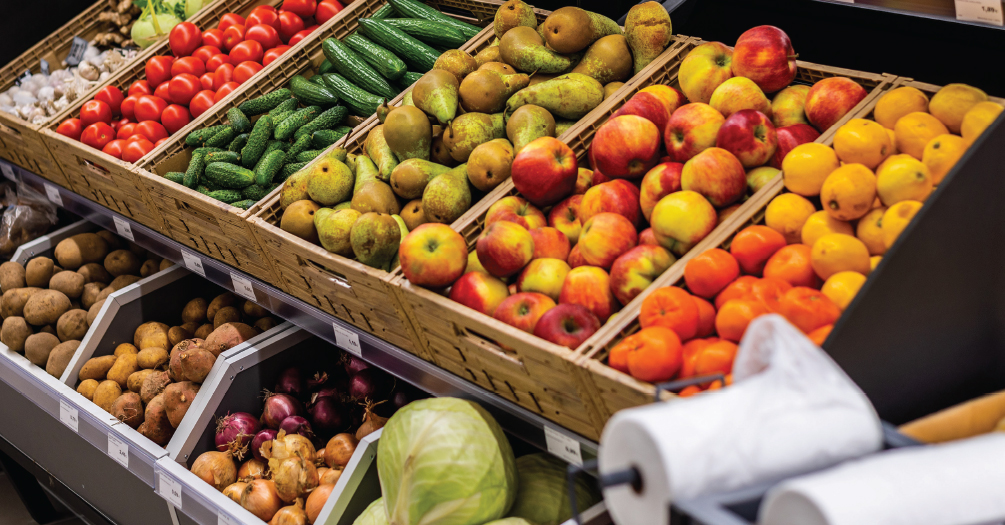
Consuming More Fruits and Vegetables Can Improve Sleep

Increasing consumption of fruit and vegetables can improve insomnia-related symptoms in young adults, especially young women, according to a recent study led by Erica Jansen, research assistant professor of Nutritional Sciences.

Gary Harper, Molly Mulcahy, Cleo Caldwell and Brandon, University of Michigan School of Public Health

Public Health Leadership in Teaching and Diversity

Students, faculty, and staff across the School of Public Health are committed to providing excellent teaching and other student experiences and to ensuring Michigan Public Health is an inclusive community for all.

Joe Eisenberg in the Huron River observing the interplay of natural ecosystems and human-built environments. Eisenberg is professor of Epidemiology and Global Public Health, School of Public Health, University of Michigan

One Health: Preventing and Solving Public Health Disasters

The One Health model encourages scientists from multiple disciplines to take a systemic view of the world’s pressing public health problems and adopt collaborative, integrated approaches to solving them. By pooling knowledge and resources, we can develop new measures to ensure better health for people, animals, and ecologies.