Health Care Policy Results

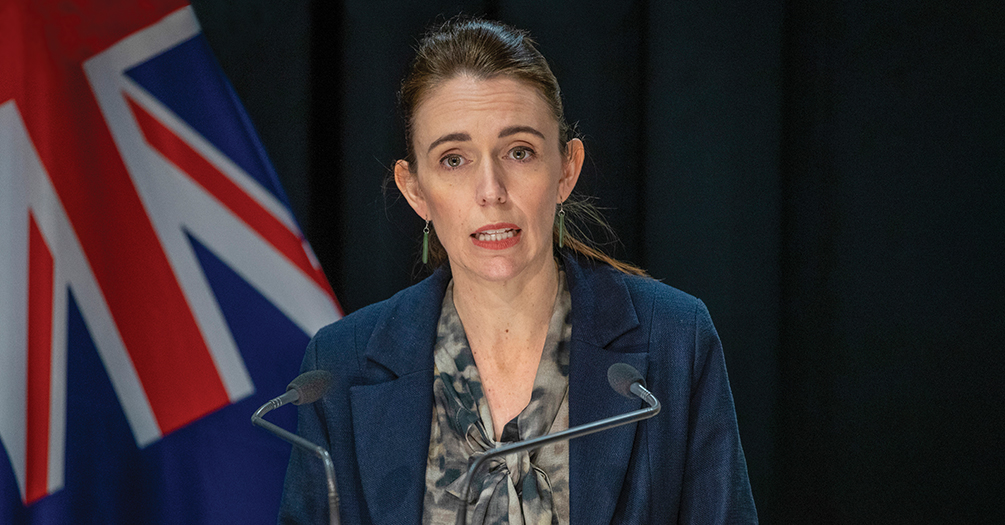
Jennifer Garner as a youth in the family garden

Science rooted in community

How Jennifer Garner’s upbringing drives her nutrition research

Jennifer Garner, the John G. Searle Assistant Professor of Nutritional Sciences, reflects on growing up in rural Michigan, learning “strategically applied stubbornness” from her parents, and finding an unexpected path from dietetics to academia. Through mentorship and community-based research, she builds a career in food security, policy and science communication—grounded in care, curiosity and purpose.
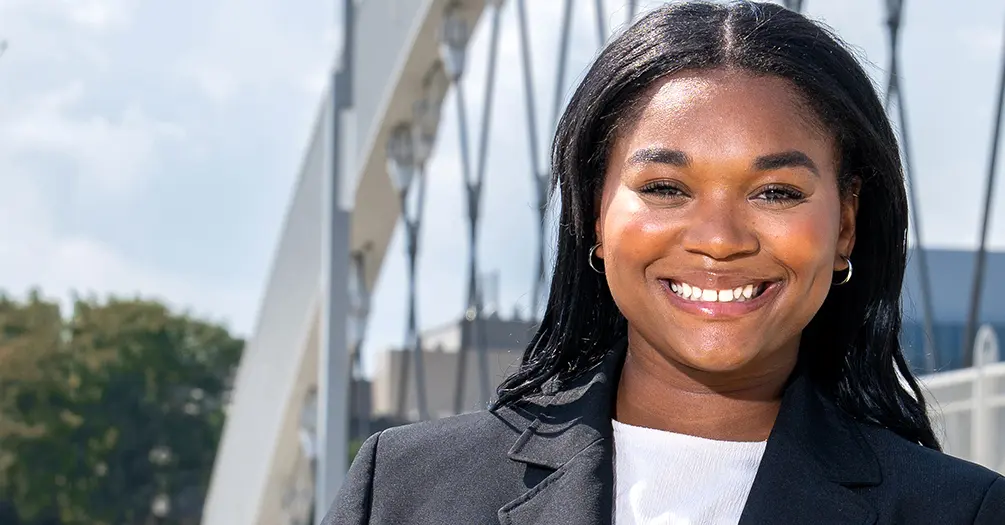
Jessica Holloway in front of the 2nd Avenue bridge near the Edsel Ford Highway in Detroit.

A passion for policy

Summer internship at Henry Ford Health transforms understanding of healthcare policy’s real-world impact

Michigan Public Health faces unprecedented challenges to life-saving research. As federal funding threats emerge, alumni and supporters must act now—share research stories, advocate for public health, and provide critical financial support. Your contribution secures discoveries that save lives worldwide.

Theadra Fleming

Building inclusive DEI strategies, one block at a time

Theadra Fleming, MPH ’95

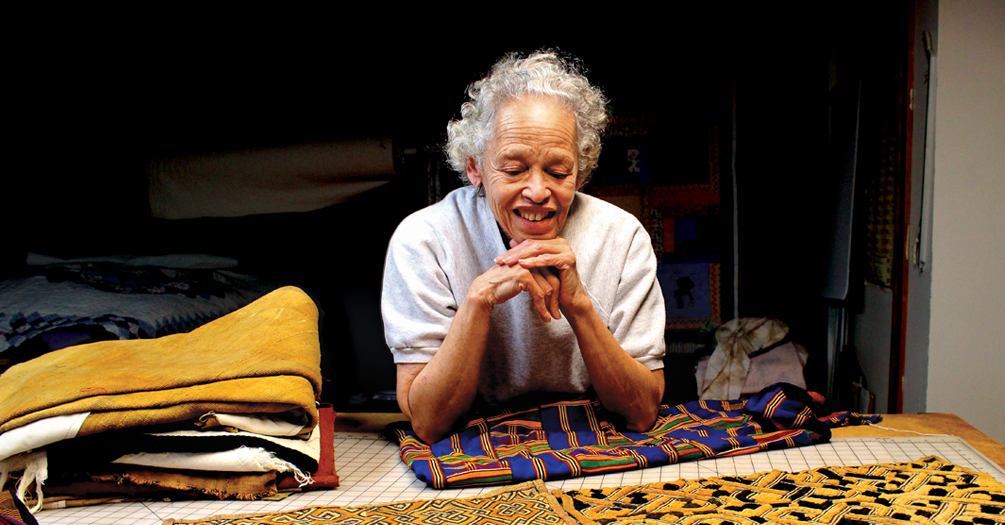
Inspiration can come from anywhere—a song, a once-forgotten conversation, a scene playing out at the grocery store. For Theadra Fleming, MPH ’95, inspiration for one of the most meaningful projects of her life—a quilt designed to celebrate the DEI 2.0 Strategic Plan Rollout—came from the brick pattern on the outside of her house.

A young person flies a transgender flag

Transgender Young Adults Risk Homelessness, Racism When Moving

Young transgender adults often relocate to cities like San Francisco where they feel safer and have access to adequate health care, but the migration might place them at risk of homelessness, unemployment and racism, say University of Michigan researchers.

A doctor writes on a clipboard

Patient Discrimination during a Health Care Encounter

A new paper looks at patient experiences of discrimination in the US health system, finding that the types of discrimination a person can encounter in a health care setting varies, with 21% of non-institutionalized, English-speaking US adults experiencing discrimination while seeking medical care.