Environmental Health Results

Moving puzzle pieces that form blue, green and pink globes and a globe that looks like earth

Exploring environmental equity and impacts on human health

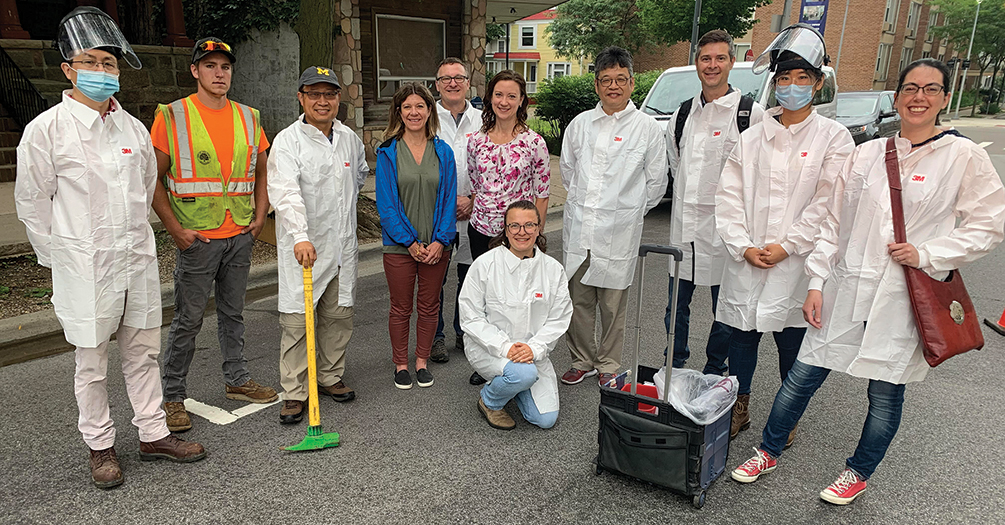
Environmental health experts at the University of Michigan School of Public Health are immersed in understanding the connection between the health of individuals and communities and the environment—whether it’s the air we breathe, water we drink, food we eat, products we use or places we live and work.

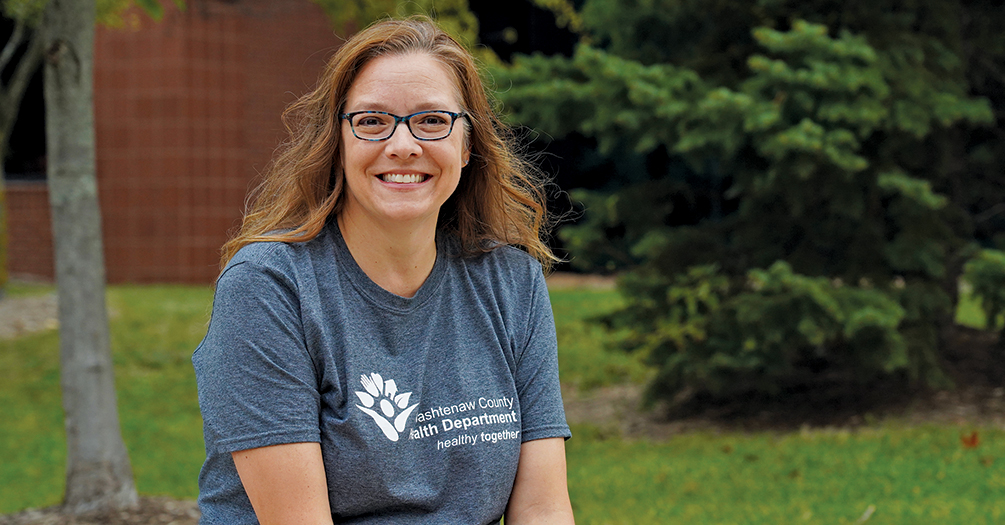
Susan Ringler-Cerniglia, MPH ’04, University of Michigan School of Public Health

Keeping Local Public Health at the Table

Susan Ringler-Cerniglia, MPH ’04

From regional outbreaks to global pandemics, local public health experts respond regularly to public health crises. Susan Ringler-Cerniglia, MPH ’04, says the current pandemic has clarified the need for ongoing investment in public health.

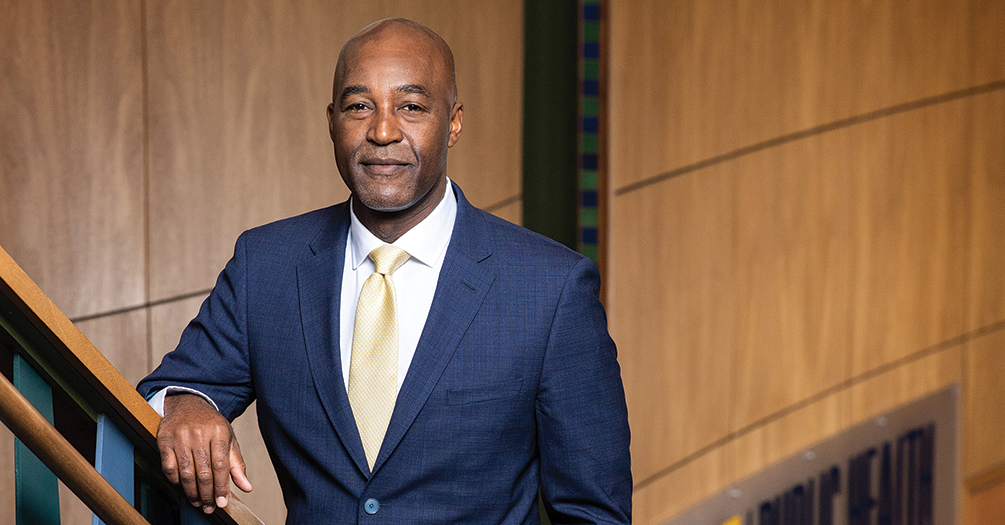
Dean F. DuBois Bowman, University of Michigan School of Public Health

From the Dean: A New Era of Public Health

Dean F. DuBois Bowman

Current trends toward a future where disease outbreaks happen more often due to globalization, human migration, and climate damage can be slowed and even reversed when we ensure every public health intervention accounts for the interconnected health of humans, animals, and the environment.

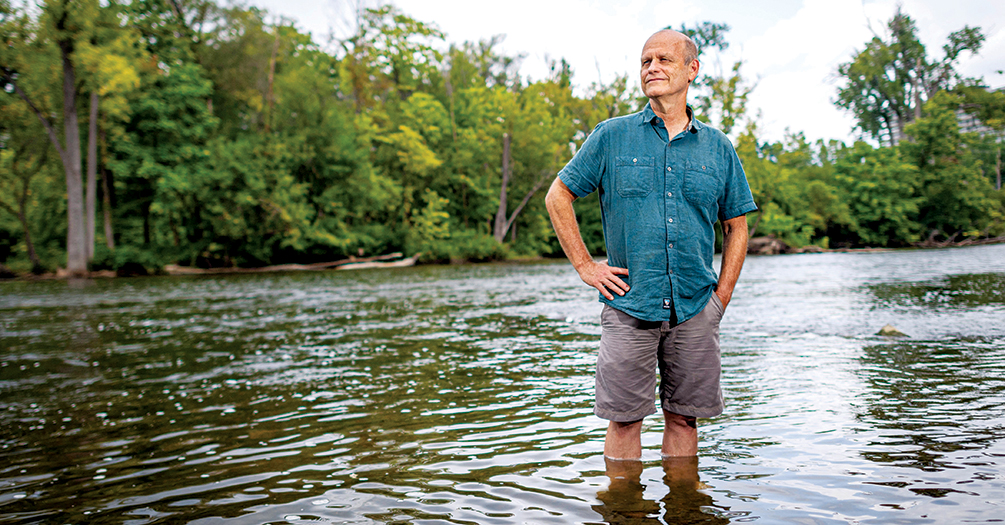
Joe Eisenberg in the Huron River observing the interplay of natural ecosystems and human-built environments. Eisenberg is professor of Epidemiology and Global Public Health, School of Public Health, University of Michigan

One Health: Preventing and Solving Public Health Disasters

The One Health model encourages scientists from multiple disciplines to take a systemic view of the world’s pressing public health problems and adopt collaborative, integrated approaches to solving them. By pooling knowledge and resources, we can develop new measures to ensure better health for people, animals, and ecologies.