On the Heights: April 2026
April highlights include a special report on brain health, research on the impact of Michigan’s nutrition assistance programs, and awards for faculty and staff across departments.

April highlights include a special report on brain health, research on the impact of Michigan’s nutrition assistance programs, and awards for faculty and staff across departments.

How cities are planned and organized has a tremendous impact on the health of residents, especially in marginalized communities, says Roshanak Mehdipanah, an urban health expert at the University of Michigan School of Public Health.
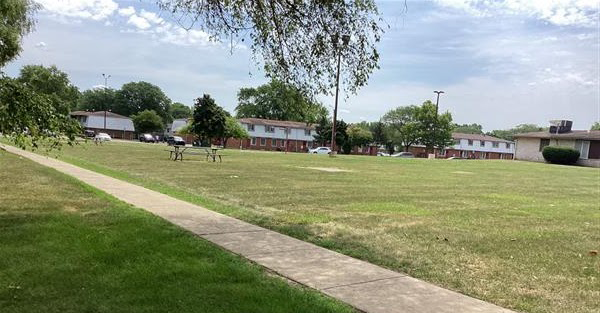
For 26 years, the Prevention Research Center of Michigan has researched ways to create safer, more inviting and accessible neighborhood spaces and improve physical and mental health. Now, with $5 million in renewed funding from the U.S. Centers for Disease Control and Prevention, the center will continue its community-based participatory research projects through at least 2029.

The University of Michigan will receive $6.75 million from the National Institutes of Health to establish a health equity research hub focused on building the science necessary to strengthen efforts to close health disparity gaps.
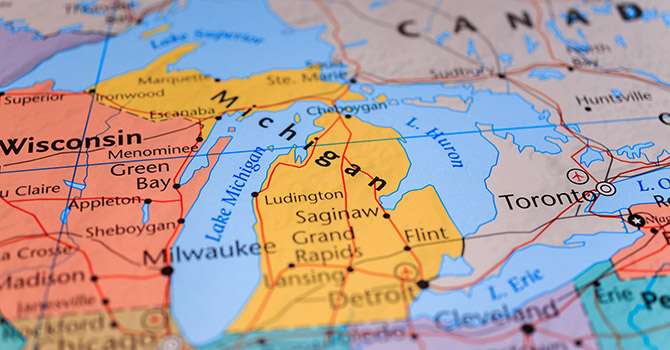
The MI-Healthy City Tool, developed by researchers at the University of Michigan School of Public Health, is a comprehensive dashboard analyzing health equity in Michigan's largest cities to inform policy and community action.
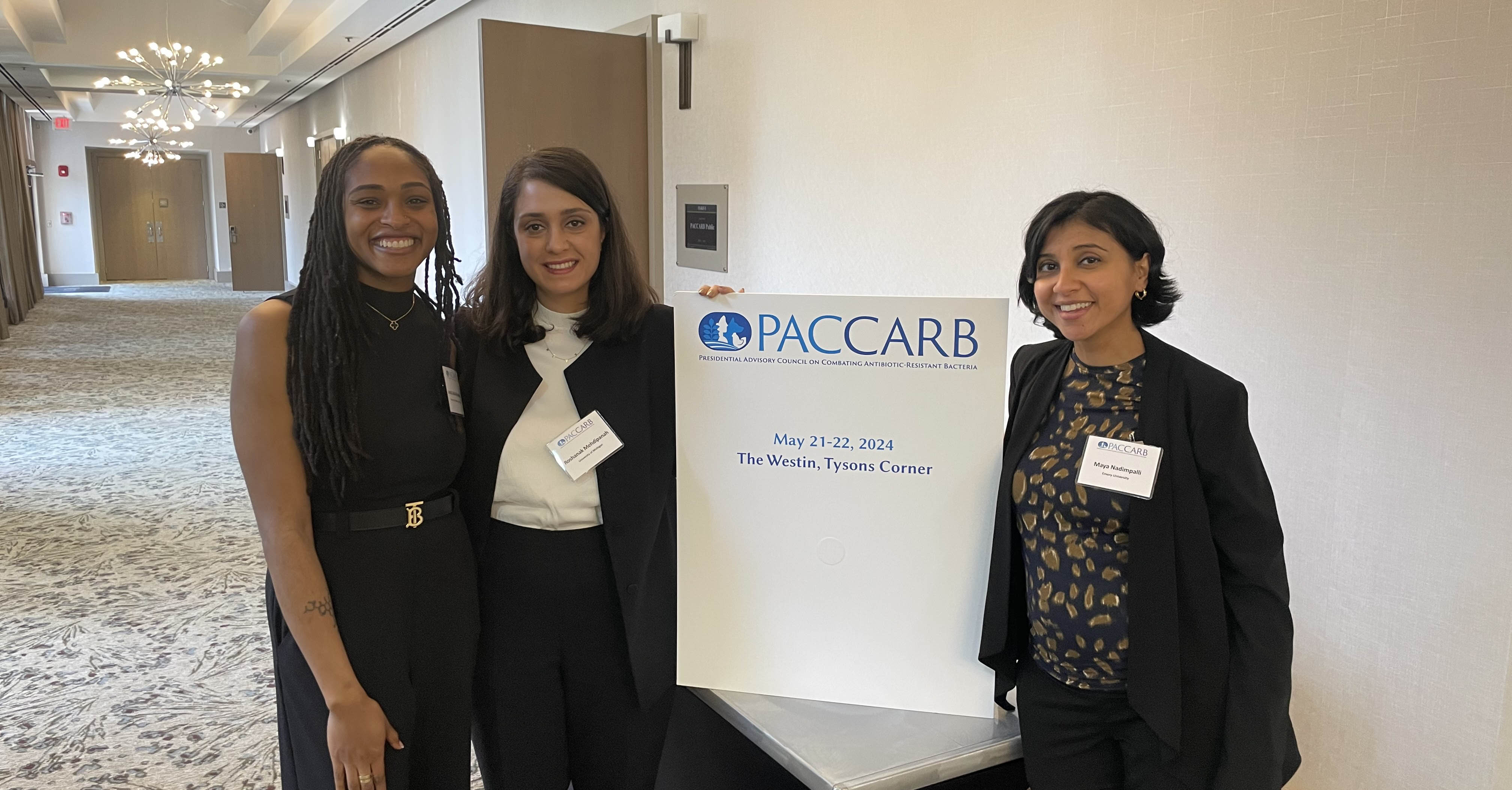
Michigan Public Health professor Roshanak Mehdipanah was recently in Washington, D.C., to speak on a panel for a Presidential Advisory Council on Combating Antibiotic-Resistant Bacteria (PACCARB) meeting.