On the Heights: February 2026
February highlights include faculty expertise on AI-driven cancer research, youth violence prevention, farmworker housing policy, epigenetics and ultra-processed foods, and a new state advisory appointment.

February highlights include faculty expertise on AI-driven cancer research, youth violence prevention, farmworker housing policy, epigenetics and ultra-processed foods, and a new state advisory appointment.

Medications proven to effectively treat opioid addiction are rarely given after emergency department visits for overdose, and who gets them varies, sometimes greatly, depending on race, ethnicity or geography, University of Michigan researchers say.

Far more older adults these days log on to secure websites or apps to connect with their health information or have a virtual health care appointment, compared with five years ago, a new poll shows.
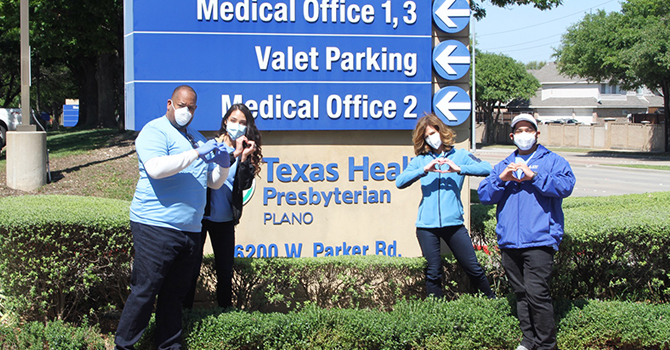
What's it like to manage health care systems and personnel during a global pandemic? For an inside view, we connected with alum Kelly Rakowski, a national staffing solutions leader. She and her team are working across the country with organizations and with “hand raisers”—retired or out-of-work health care workers stepping forward to help fight the outbreak.
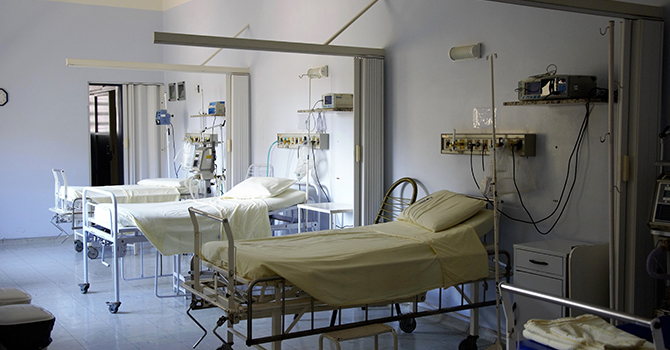
Even when we’re not facing a global pandemic, influxes in patients happen fairly regularly and there’s a lot hospitals have already been doing to prepare. What makes this situation different and how are hospitals responding? Health Management and Policy professor David Hutton explains.
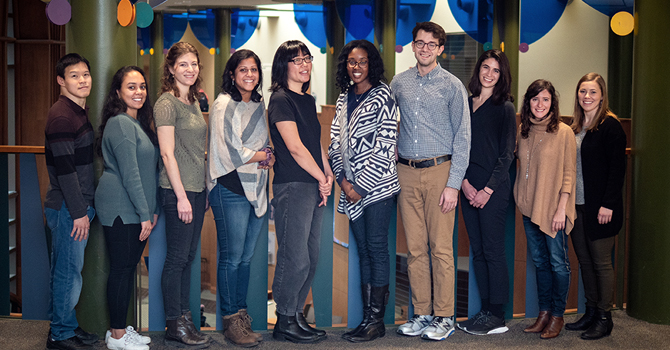
The long and illustrious careers of alums from Michigan’s program in Health Services Research and Policy demonstrate the impact of professionals trained in both practice and academia—a testament to the educational value of the program for students and the broad influence the program has had on health care management and policy in the US and beyond.