The Idea to 'Flatten the Curve'
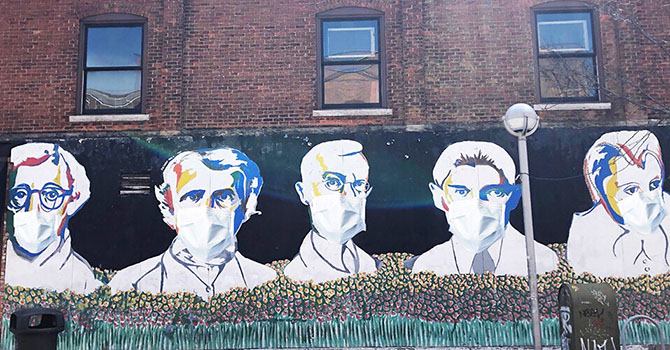
Decades of studying pandemics and how to curb them led University of Michigan physician-historian Howard Markel to coin a term the rest of us now use in daily conversation.
We're still accepting applications for Fall 2026!
Apply Today
Decades of studying pandemics and how to curb them led University of Michigan physician-historian Howard Markel to coin a term the rest of us now use in daily conversation.
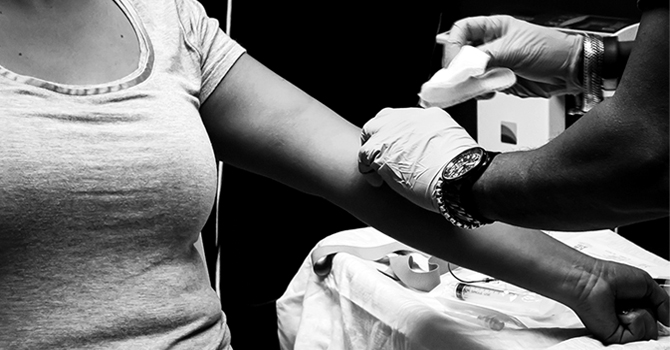
Scientists at the University of Michigan are advancing a new antibody test to identify people who have been infected with the novel coronavirus that causes the COVID-19 disease. The test, being validated now, could accelerate selection of patient plasma for use in treating new COVID-19 infections.
US Hispanics are more likely than their white white counterparts to be affected by coronavirus independently of their immigration status. Two University of Michigan School of Public Health experts explain why, and offer some solutions the federal government could use to mitigate these negative consequences.
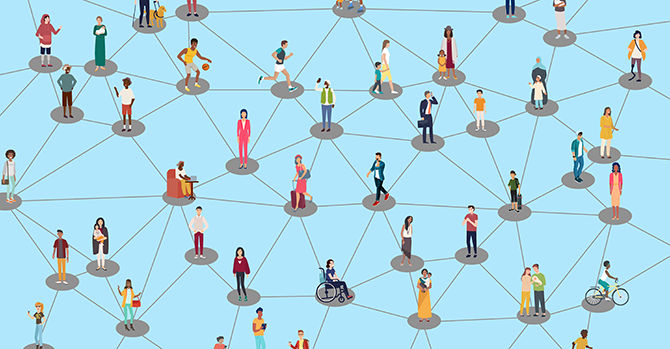
Long before we could sequence a virus’s genome in a matter of weeks, we used public health tactics like contact tracing to sort out the movement of a disease in a population. Contact tracing is one of the “traditional” tools of epidemiologists. Today, we have more public health surveillance tools at our disposal, and we’ll need both the old and the new to bring COVID-19 under control.
We’re all wondering when we can return to work, see friends and family, and get back to some sense of normal. Meanwhile, we might notice that a planned temporary hospital wasn’t built or that some data seems to show a reduction in the spread of coronavirus. What do we do with emerging shades of gray in a situation that seemed so black and white not too long ago?
What's it like to manage health care systems and personnel during a global pandemic? For an inside view, we connected with alum Kelly Rakowski, a national staffing solutions leader. She and her team are working across the country with organizations and with “hand raisers”—retired or out-of-work health care workers stepping forward to help fight the outbreak.