Program Aims to Help the Muslim Community Quit Smoking During Ramadan
Ken Resnicow
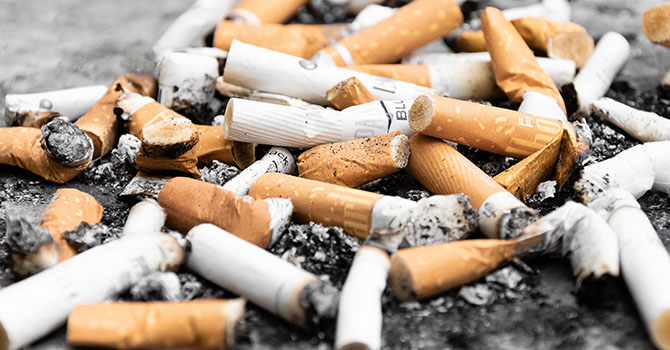
The Yallah Quit program uses culturally specific, text message-based guidance to help Muslims kick the habit of cigarettes and hookah smoking.
We're still accepting applications for Fall 2026!
Apply Today
The Yallah Quit program uses culturally specific, text message-based guidance to help Muslims kick the habit of cigarettes and hookah smoking.
US Hispanics are more likely than their white white counterparts to be affected by coronavirus independently of their immigration status. Two University of Michigan School of Public Health experts explain why, and offer some solutions the federal government could use to mitigate these negative consequences.
Why are people with diabetes considered high-risk in the wake of this pandemic and what should those who contract COVID-19 do? Gretchen Piatt, associate professor of Learning Health Sciences and Health Behavior and Health Education at the University of Michigan Schools of Medicine and Public Health explains.
Paul Fleming is an assistant professor of Health Behavior and Health Education at the University of Michigan School of Public Health with deep ties to Detroit. He explains the social and structural factors in place in Detroit that have contributed to it becoming one of the nation’s coronavirus hotspots.
How do we talk about coronavirus and COVID-19 to children, who may not fully understand what is happening? How can parents and guardians ease the concerns of their children during this time that is likely creating stress for all members of the family?
At a time when much of the population is practicing social distancing due to the spread of COVID-19, Alison Miller, associate professor of Health Behavior and Health Education, explains methods for managing stress as well as who may be vulnerable to added mental health and stress impacts during this time.