Exploring another pandemic: HIV/AIDS
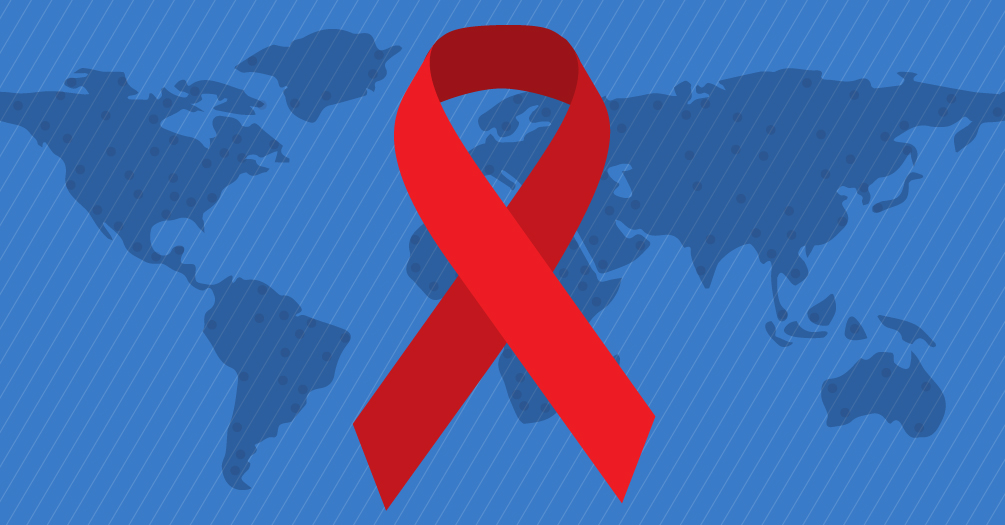
We take a look at the HIV/AIDS pandemic, its history, associated issues like stigma and access to treatment, and what the lives of people with HIV/AIDS look like now.
We're still accepting applications for Fall 2026!
Apply Today
We take a look at the HIV/AIDS pandemic, its history, associated issues like stigma and access to treatment, and what the lives of people with HIV/AIDS look like now.
Generally speaking, giving unsolicited advice to people only tends to annoy them and make them less likely to change any of their behaviors. Real change tends to come when someone sees a discrepancy between their own behavior and what they value as a person. So, how do you talk to a coworker, friend, or family member who is firmly entrenched in anti-vaccine beliefs? Preaching to them that COVID vaccines are safe and effective will most likely fail. But there are some lessons to be gleaned from a counseling style called motivational interviewing, where instead of trying to persuade someone, you subtly reflect back to them their own thoughts and feelings. In other words, you allow the other person to drive the conversation, with the idea that they themselves will see discrepancies between their actions and their beliefs. University of Michigan School of Public Health Professor Ken Resnicow has studied and used motivational interviewing since the early 1990s and has some timely tips for how to engage in these difficult conversations.

Right now, Delta is the dominant COVID-19 variant spreading here in the U.S and in some other areas of the world. It’s one of the handful of variants that have evolved from the original COVID-19 virus. The emergence of the more infectious Delta, and the prospect of new variants on the horizon, has underscored the urgency of widespread vaccination to put an end to the pandemic. In this episode, we're joined by two faculty experts from the University of Michigan who will discuss what is currently known about the Delta variant, how vaccine efforts are holding up through the Delta surge, and how it's spread is impacting our ongoing pandemic response strategies.
When people have access to better quality, more nutritious foods, their risk of disease decreases. However, for many, there are a number of barriers to accessing the kinds of foods that support good health. But food availability isn’t only one issue that our modern food systems can create. Getting the food to your plate can entail large-scale production that may have a big environmental footprint. Understanding more about how our food is produced can help us make food choices that are better for our individual health and for the environment. In this episode, learn about the impact our food production systems can have on both human health and the environment around us. We’ll also explore how one health department is leveraging local farms and produce to facilitate good health by using food as medicine.
The pandemic highlighted the important role health departments play in communities large and small. But the role of a health department extends well beyond pandemic response. Assessing water quality, ensuring restaurants are following food safety practices, ensuring health care access and more. Health departments manage many health-related priorities to improve the lives of community members. In this episode, learn about the ways health departments protect the health of their communities through their services and the need to build a strong public health infrastructure. We’ll also talk to individuals working in health departments to learn how their work impacts the communities they serve.
Effective change takes effective changemakers. Today, we talk to a few changemakers who are dedicated to improving diversity in public health and healthcare leadership. Research has long shown that the most effective way to improve health for any community is to have public health leaders from that community involved in the day-to-day decision making around the care of that population. Pipeline programs, like the University of Michigan’s Summer Enrichment Program, create avenues for students from underrepresented communities to be exposed to careers in public health, healthcare management, and policy-making. Increasing diversity in public health is both a macro mission, taken on by universities and programs around the country, as well as an individual one, best exemplified by committed mentors who do what they can to support their students.