Nutritional Sciences Results

Childhood photo of the author sitting at table eating a sandwich.

The smallest in the class

Hailey Jurgens

“Growing up, I was always the smallest child in the class. Not only was I short, but I was also thin, sometimes surprisingly so. Doctors were always scaring my parents by telling them that I was falling behind the “normal” growth chart and encouraging them to make me eat more.”
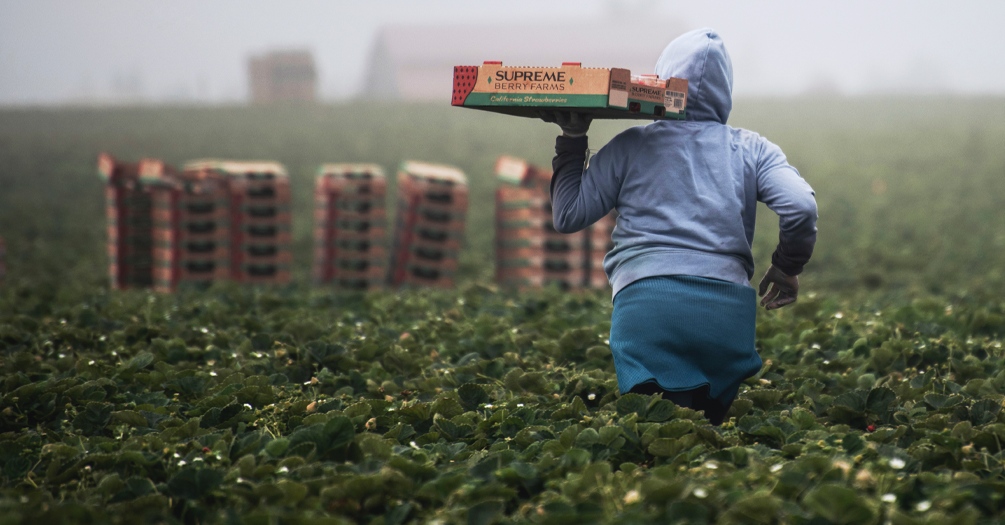
A fieldworker holds a box of freshly harvested strawberries

Pesticide exposure may be a risk factor for poor sleep health

Astrid Zamora

Nutritional Sciences PhD candidate Astrid Zamora has vivid memories of her Abuela coming home from working in the fields, experiencing intense pain, burning sensations, and trouble breathing. These ailments were the result of long-term exposure to pesticides. Now, an extensive body of research shows that occupational exposure to pesticides is detrimental to human health, including sleep health. Zamora explores two studies she was involved in exploring the links between pesticide exposure and poor sleep health.

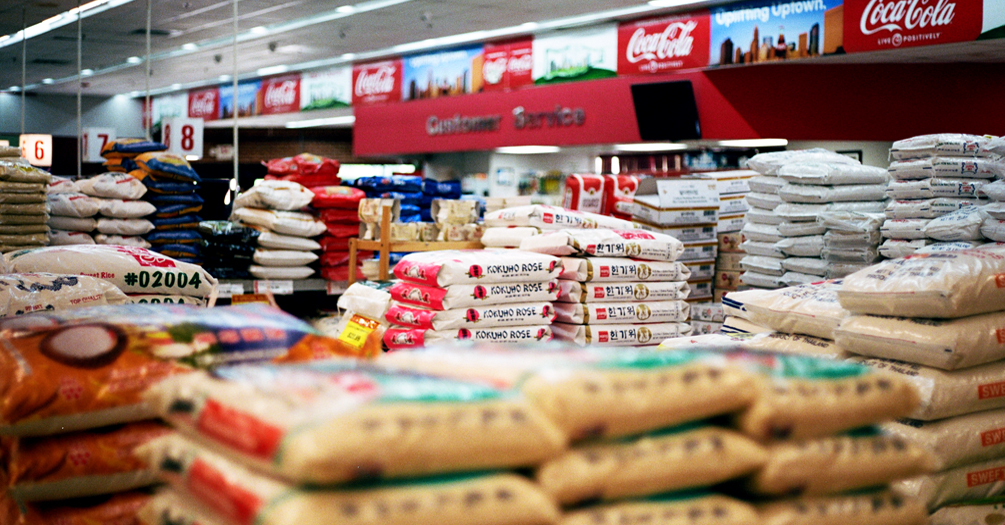
Food market in Detroit

Emergency Food Security Funding Must Continue

Alek Ostrander and Carly Truett

The economic crisis caused by the COVID-19 pandemic has increased the risk of the nearly 26 million adults in the US struggling to access and afford food. Federal nutrition assistance programs like SNAP help, but additional assistance is needed for those already receiving maximum benefits. And many of these emergency measures should become permanent.

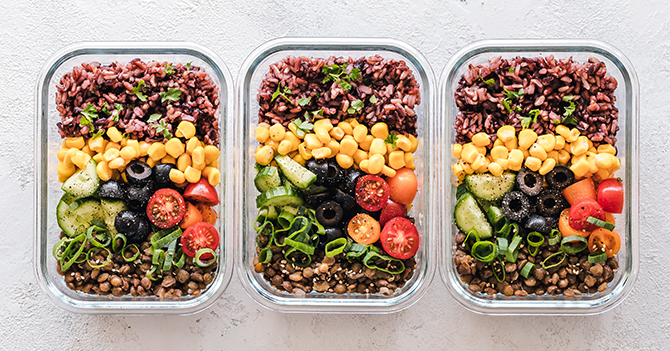
Plant-based meal prep

Thriving on a Plant-Based Diet

Afra Kamal

The key to achieving optimal health on a plant-based diet is to maintain a balanced diet comprised of a diverse array of whole foods with minimal added sugar, refined grains, excess sodium, or unhealthy fats. A diet rich in whole, plant-based foods should provide more than enough of the macronutrients and micronutrients you need to thrive.